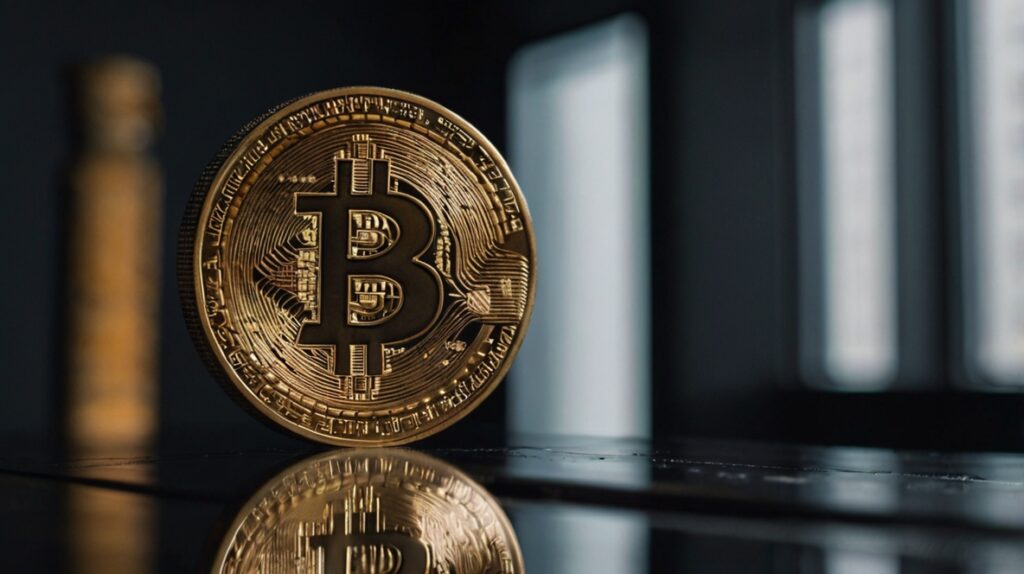
Bitcoin’s Role in the Metaverse Economy
Introduction: Bitcoin’s Potential in the Metaverse
The metaverse, a network of interconnected virtual worlds, is rapidly evolving, and with it comes the need for new economic systems and currencies. Bitcoin, as the first and most well-known cryptocurrency, is poised to play a crucial role in shaping this new digital economy. This article explores the potential of Bitcoin in the metaverse, its significance as a form of cryptocurrency in virtual worlds, and its potential impact on the Bitcoin future within this rapidly evolving space.
Understanding the Metaverse Economy
The metaverse is not just a collection of virtual environments, but it is also a new form of economy, with new opportunities and possibilities. It has created new ways to create, own, and trade digital goods, and even participate in unique economies.
Digital Assets
The metaverse economy is based on digital assets, including virtual real estate, avatars, and in-game items. These digital assets often have real-world value and may be traded using cryptocurrencies.
Virtual Transactions
Within the metaverse, transactions are conducted using digital currencies, creating a new form of virtual commerce. These transactions can include buying items, services and even unique experiences.
Decentralization
Many metaverse economies are designed to be decentralized, similar to Bitcoin, with no central authority controlling the digital assets. The push towards decentralization in the Metaverse is a very powerful force.
Interoperability
A key aspect of the metaverse is the concept of interoperability, allowing assets and currencies to be used across different virtual worlds. The ability to use the same assets in different platforms is key for the overall health of the ecosystem.
Bitcoin’s Potential Role in the Metaverse Economy
Bitcoin, as a decentralized digital currency, is well-suited to play a pivotal role in the metaverse economy. Its core functionality aligns perfectly with some of the key aspects of the metaverse. Here are some specific roles for Bitcoin.
Store of Value
Bitcoin can act as a store of value within the metaverse, allowing users to store their wealth and protect it from inflation. As a scarce asset, Bitcoin can be a good hedge against many economic uncertainties.
Medium of Exchange
Bitcoin can be used as a medium of exchange for buying goods and services within virtual worlds, creating a common currency that can be used across different platforms.
Cross-Platform Currency
Bitcoin can also be used as a cross-platform currency, allowing users to move value between different virtual worlds and platforms. This is part of the promise of the open metaverse.
Decentralized Transactions
Bitcoin’s decentralized nature can ensure that transactions within the metaverse are secure and transparent, without the need for intermediaries. The decentralization of Bitcoin makes it a good option for these purposes.
Bitcoin and Digital Assets in the Metaverse
The metaverse will need strong digital asset infrastructure to thrive, and Bitcoin can be part of the digital asset ecosystem.
Digital Collectibles
Bitcoin can be used to purchase digital collectibles, such as in-game items, virtual art, and other virtual items, which are a growing part of the metaverse.
Virtual Real Estate
Bitcoin can also be used to purchase virtual land, which has become an extremely popular digital asset in the metaverse.
In-Game Assets
Bitcoin can also be used for the purchase of in-game items and virtual experiences, creating new opportunities for content creators.
Interoperability of Assets
The interoperability of digital assets is critical for their value, and Bitcoin can become part of a system that can be used across many different platforms.
Bitcoin and Non-Fungible Tokens (NFTs) in the Metaverse
Non-Fungible Tokens (NFTs) are a key component of the metaverse, as they represent ownership of digital assets. While most NFTs are not directly built on Bitcoin, the technology still forms an important part of the overall ecosystem.
NFTs as Proof of Ownership
NFTs can be used to verify the ownership of digital assets within the metaverse, creating a system of scarcity and uniqueness.
NFT Marketplaces
NFT marketplaces can use Bitcoin, or other cryptocurrencies, to facilitate the trade of digital assets in virtual worlds.
Digital Art and Collectibles
Bitcoin, alongside other cryptocurrencies, can be used to acquire digital art and other collectibles in the metaverse.
Bitcoin-Based NFTs
With the use of new technologies like Ordinals and Inscriptions on the Bitcoin network, we may see a growth in the use of Bitcoin-based NFTs in the Metaverse.
The Role of Blockchain in the Metaverse Economy
Blockchain is the technology that underpins both Bitcoin and the metaverse, and it plays a key role in ensuring security, transparency, and decentralization in virtual worlds. This underlying technology is what makes everything work.
Transparent Transactions
Blockchain technology allows for transparent and secure transactions within the metaverse, creating a safe and also trustworthy environment.
Decentralized Governance
Blockchain can also enable decentralized governance for metaverse platforms, giving users more control over the platform.
Secure Asset Management
Blockchain also helps to secure and manage digital assets within virtual worlds, and this is something that is critical for security.
Interoperability
Blockchain technology can enable the interoperability of assets and currencies across different metaverse platforms, making the metaverse more integrated.
Decentralized Finance (DeFi) in the Metaverse
Decentralized Finance (DeFi) protocols can also play a significant role in the metaverse economy, enabling new ways to create and also manage financial assets. Bitcoin, as the largest cryptocurrency, is set to play a role in DeFi within the metaverse.
Lending and Borrowing
DeFi protocols can enable users to lend and borrow Bitcoin and other digital assets within virtual worlds. This new method of transacting can be used for various different reasons.
Yield Farming
Users can earn interest or yields on their Bitcoin holdings by participating in DeFi protocols within the metaverse. This means that users can stake and earn returns on their cryptocurrency, also generating activity in the ecosystem.
Decentralized Exchanges
Decentralized exchanges (DEXs) can also allow users to trade Bitcoin and other digital assets within the metaverse.
Cross-Chain Compatibility
Cross-chain solutions can allow for greater flexibility and interoperability of assets across different blockchain and metaverse platforms.
The Future of Bitcoin in the Metaverse
The future of Bitcoin in the metaverse is still being written, and it is expected that new applications and use cases will emerge. As the metaverse evolves, Bitcoin will also find new ways to be implemented and used. This is a rapidly evolving space, and many new possibilities are emerging.
Increased Integration
We are likely to see increased integration of Bitcoin with metaverse platforms, as more virtual worlds start to accept it as a means of payment.
New Economic Models
The development of new economic models within the metaverse, will also create new opportunities for the use of Bitcoin and other digital assets. The metaverse is creating its own specific economies.
More Sophisticated Financial Instruments
We can also expect more sophisticated financial instruments to be built on top of Bitcoin in the metaverse, including new financial products and services.
Mainstream Adoption
As the metaverse becomes more mainstream, the use of Bitcoin within virtual worlds is also likely to grow. Mainstream adoption is a key point for the success of the metaverse and also for Bitcoin.
Challenges and Considerations for Bitcoin in the Metaverse
Despite its potential, Bitcoin faces some challenges in its integration with the metaverse economy.
Scalability
Bitcoin’s scalability limitations may make it difficult to handle the high transaction volume of the metaverse, unless there are significant improvements, such as layer 2 solutions.
Volatility
Bitcoin’s price volatility may make it less suitable as a currency for everyday transactions within the metaverse. This issue can potentially be solved with more stable forms of cryptocurrencies.
Regulatory Uncertainty
The regulatory landscape for both Bitcoin and the metaverse is still evolving, which can lead to uncertainty.
User Experience
User experience and accessibility will need to improve to make it easier for new users to engage with Bitcoin in the metaverse. The user experience is still a big issue in the current cryptocurrency space.
Conclusion: Shaping the Future of the Metaverse with Bitcoin
Bitcoin in the metaverse holds immense potential to shape the virtual economies of the future. As a form of cryptocurrency in virtual worlds, Bitcoin’s decentralized nature, scarcity, and wide acceptance position it to be a key player in this new digital landscape. The overall Bitcoin future may very well be connected to the future of the metaverse, and the growth of the two ecosystems are likely to influence each other. As we move into this new era, understanding Bitcoin’s role in the metaverse is essential for understanding the new possibilities of the digital age.